
Choosing Qualified Pool Safety Inspector Melbourne
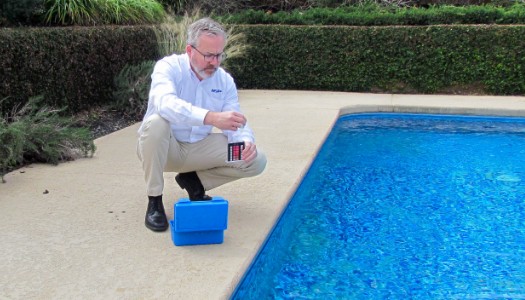
If you are a pool owner in Melbourne, choosing a qualified pool safety inspector is essential to ensure compliance, protect your family, and avoid penalties. Selecting the right professional can make the entire process smooth and stress-free. Why Pool Safety Inspections Are Important Pool safety inspections are designed to reduce the risk of drowning and serious injuries, particularly for young children. Victorian regulations require property owners to ensure their pool barriers meet strict safety standards. Regular inspections confirm that fencing, gates, and surrounding areas comply with current legislation. Non-compliance can result in fines, notices from local councils, and even legal liability if an accident occurs. A qualified inspector helps you stay compliant and provides peace of mind. What Makes a Pool Safety Inspector Qualified? When choosing a pool safety inspector in Melbourne, it’s important to ensure they meet professional standards. A qualified inspector should: Working with a certified and experienced…

How to Prepare for Spa Fence Inspection in Melbourne
Owning a spa is a luxurious addition to any Melbourne home, offering relaxation, therapy, and entertainment for family and friends. However, spa owners also have a legal and moral responsibility to ensure the safety of everyone who uses it, especially children. Victorian regulations mandate that spa fences meet strict safety standards to prevent accidental drowning. Preparing for a spa fence inspection can seem daunting, but with careful planning and attention to detail, you can ensure a smooth process and compliance with the law. Here’s a comprehensive guide on how to prepare for a spa fence inspection in Melbourne. Understand Victoria’s Spa Fence Regulations Before preparing for an inspection, it’s essential to understand the regulatory requirements. Victoria mandates that all spa pools must have a compliant barrier, such as a fence or gate, that restricts unsupervised access. Barriers must meet specific height and gap requirements, and gates must be self-closing and…